

Strait Of Hormuz Reopens: What It Means For The Global Furniture Industry
Jun 30, 2026
Leave a message

The gradual resumption of navigation through the Strait of Hormuz marks a positive development for global trade and manufacturing industries. As one of the world's most important maritime chokepoints, the Strait handles a significant portion of global oil transportation. Following months of disruption, tanker traffic has started to recover, easing concerns over energy supply and logistics bottlenecks.
For the international furniture industry, the reopening brings several important implications.

Lower Energy Costs Could Ease Manufacturing Pressure
During the disruption, uncertainty surrounding oil supply pushed up transportation and production costs worldwide. With crude oil prices declining as shipping activity resumes and more supply returns to the market, manufacturers can expect some relief from elevated energy expenses.
Furniture production relies heavily on energy-intensive processes, including panel manufacturing, hardware production, finishing, and transportation. Lower fuel and energy costs may help stabilize overall production expenses across the supply chain.
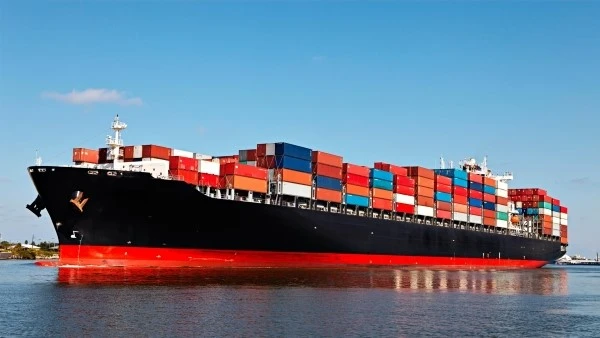
Ocean Freight Rates May Become More Stable
The Strait of Hormuz crisis created uncertainty in global shipping markets, contributing to higher insurance premiums and vessel operating costs. As shipping traffic gradually returns, market confidence is improving and supply chains are beginning to normalize.
Although industry experts caution that a full recovery could take several weeks or even months, the reopening reduces the risk of further disruptions and supports more predictable freight planning.
For furniture importers and distributors, greater stability in freight markets can improve inventory planning and reduce unexpected logistics expenses.

Improved Consumer Confidence in Major Markets
Energy prices influence inflation, transportation costs, and overall consumer spending. As oil markets respond positively to the reopening, inflationary pressures may gradually ease in many importing countries.
For the furniture sector, this could translate into improved consumer confidence and stronger demand for home improvement projects, kitchen renovations, and residential furnishings, particularly in North America, Europe, and Australia.
Better Visibility for Long-Term Projects
Many commercial and residential development projects were affected by rising material and logistics costs during the disruption. Greater certainty in global shipping and energy markets can encourage developers, contractors, and distributors to move forward with postponed projects.
This is especially relevant for the kitchen cabinet and bathroom vanity industry, where large-scale projects often require long-term budgeting and procurement planning.
Opportunities for Global Furniture Buyers
At Weisen Houseware, we believe the reopening of the Strait of Hormuz is a positive signal for the global furniture market. While challenges remain and shipping conditions are not yet fully back to pre-crisis levels, the trend toward greater stability is encouraging for manufacturers, distributors, contractors, and retailers alike.
As logistics conditions improve and energy costs moderate, buyers may find more favorable opportunities to source quality cabinetry and furniture products while maintaining competitive pricing.
Looking Ahead
The global furniture industry remains closely linked to developments in energy and transportation markets. The reopening of the Strait of Hormuz does not eliminate all risks, but it represents an important step toward restoring normal trade flows and rebuilding supply chain confidence.
Weisen Houseware will continue to monitor market developments and work closely with customers worldwide to provide reliable supply solutions, stable lead times, and competitive products in an evolving global environment. Contact us 24/7!